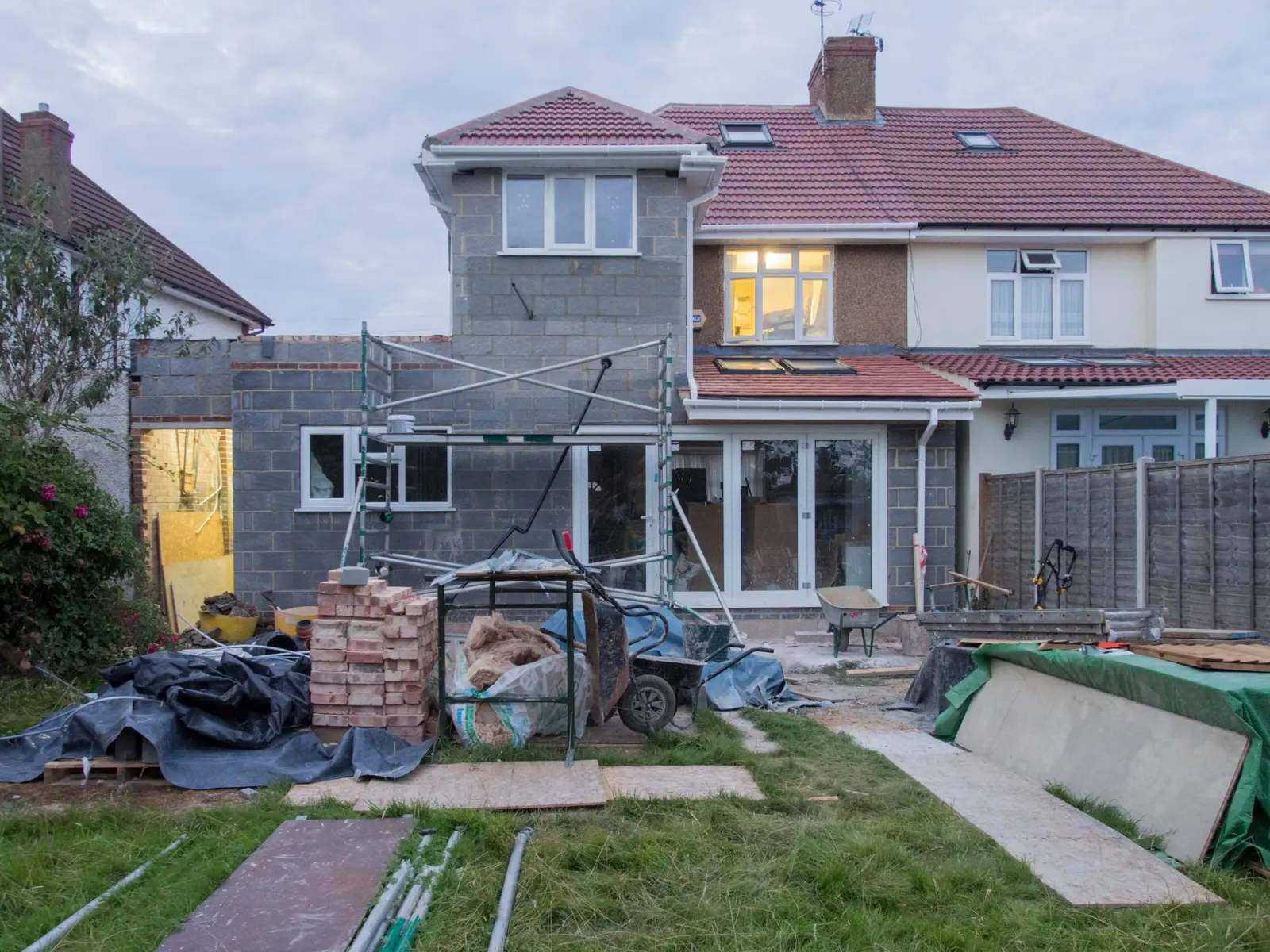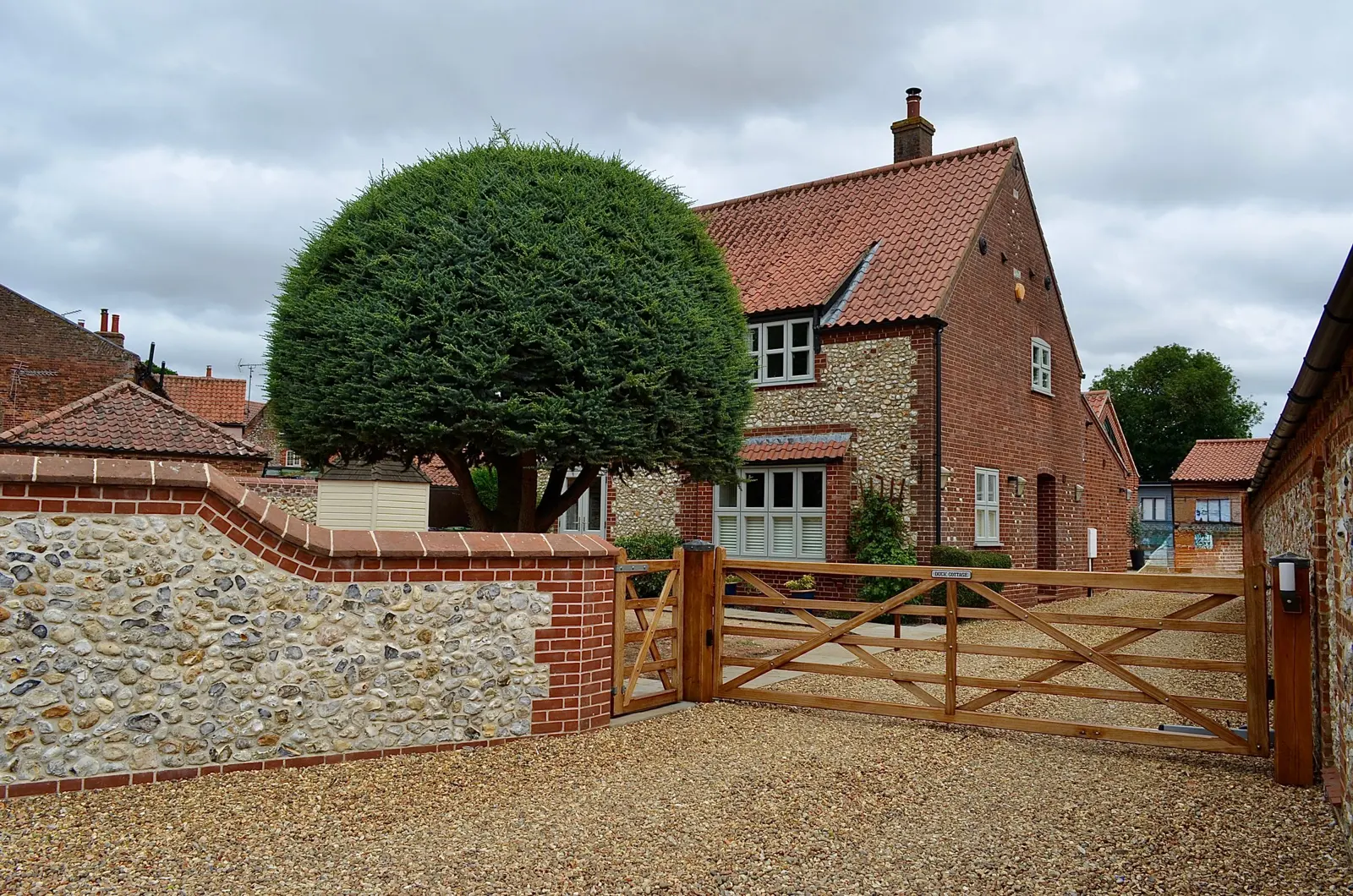
A driveway is mostly what you cannot see. The surface people choose is the last few centimetres. What decides whether it sinks, cracks or holds water is the excavation and the sub-base underneath it.
The 5 square metre rule
In England, since October 2008, you do not need planning permission to pave a front garden if the new surface is permeable or porous, or if rainwater from it runs to a lawn or border that drains naturally.
If you want to lay more than 5 square metres of traditional, impermeable paving that drains onto the road, you need planning permission. The rule exists because rainwater running off paved front gardens adds to flooding.
That means the drainage decision has to be made before the dig, because it changes how the ground is prepared.
Preparing the ground
Whatever the surface, the work underneath follows the same order:
- Excavation to the right depth for the surface and the traffic it will carry, removing soft material and organic topsoil.
- Edging to hold the surface in place.
- Sub-base laid and compacted in layers. A standard driveway usually uses a dense, well-graded stone. A permeable driveway uses an open-graded stone that lets water pass through and holds it while it soaks away.
- Drainage, such as channel drains or a soakaway, where the design needs it.
- The surface, whether that is block paving, concrete, tarmac or resin.
Skimping on depth or compaction is the most common reason driveways fail. It is also the part that cannot be fixed later without lifting everything.
Dropped kerbs
If you are creating a new access onto the road, the dropped kerb is a separate matter. It needs the highway authority's permission, which for most of our area is Cheshire East Council, and is usually carried out by an approved contractor.
Getting it priced
Tell us roughly how big the area is, what surface you would like and whether the existing ground is lawn, gravel or old paving. A few photos help. We will come back with a clear price for the groundwork and preparation.